



Everything You Need to Know About Apples
Apples have inspired everything from pies and crisps to famous catchphrases. Although they're available in the produce aisle year-round in Canada, they deliver their most fresh and crisp game by the bushel during the fall. Here's what you need to know about this harvest favourite.
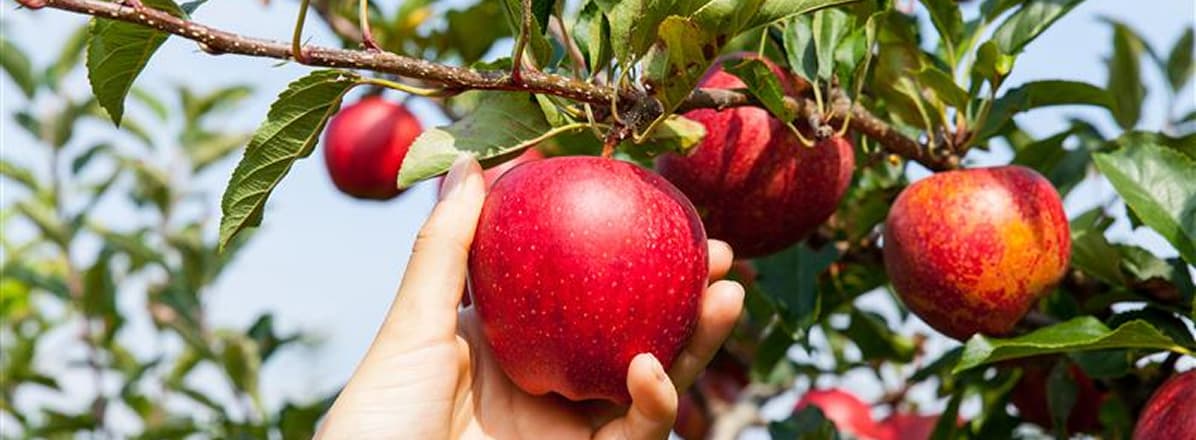
Picking Apples
Choose firm apples without bruises, and pay attention to colours — many varieties change hues as they ripen. For instance, a green Granny Smith may be ready to eat, but a green McIntosh likely needs more time to mature. Size and weight are also good indicators: ripe apples should feel heavy for their size, with a crisp, solid texture rather than soft spots. Smell can be another clue. Ripe apples often carry a sweet, fragrant aroma near the stem. When picking directly from the tree, twist the apple gently instead of pulling, which helps prevent damage to both the fruit and the branch.
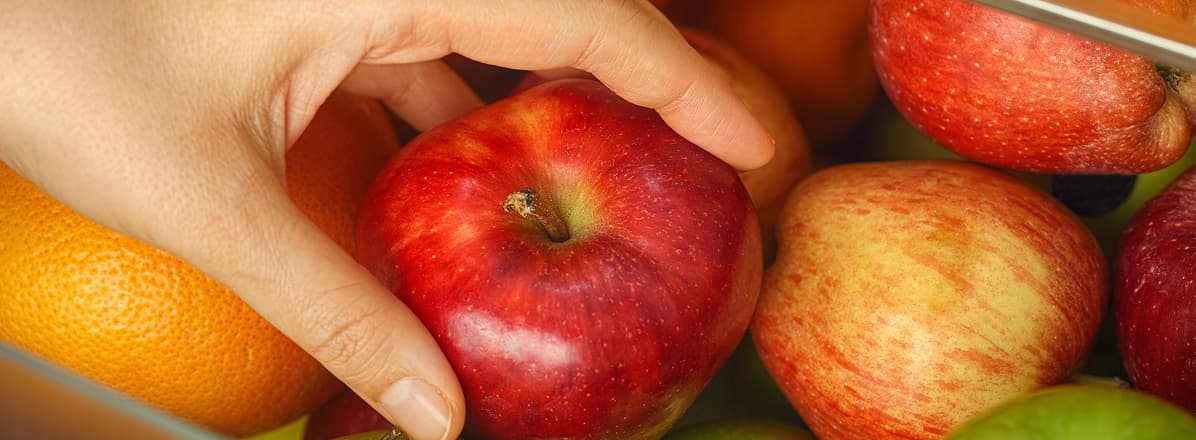
How to Store Apples
Store apples in a dark, cool, slightly humid place, like the fridge crisper. To prevent spoiling, wash them right before using. If you've purchased a large amount, consider separating the apples into smaller groups. One bruised apple can cause the others around it to spoil more quickly. For longer storage, keep them in a perforated plastic bag or loosely wrapped in a damp paper towel to maintain humidity without trapping too much moisture. Firmer, late-season varieties such as Fuji or Honeycrisp will keep for weeks or even months under the right conditions. At the same time, softer, early-season apples are best enjoyed within a couple of weeks of harvest.
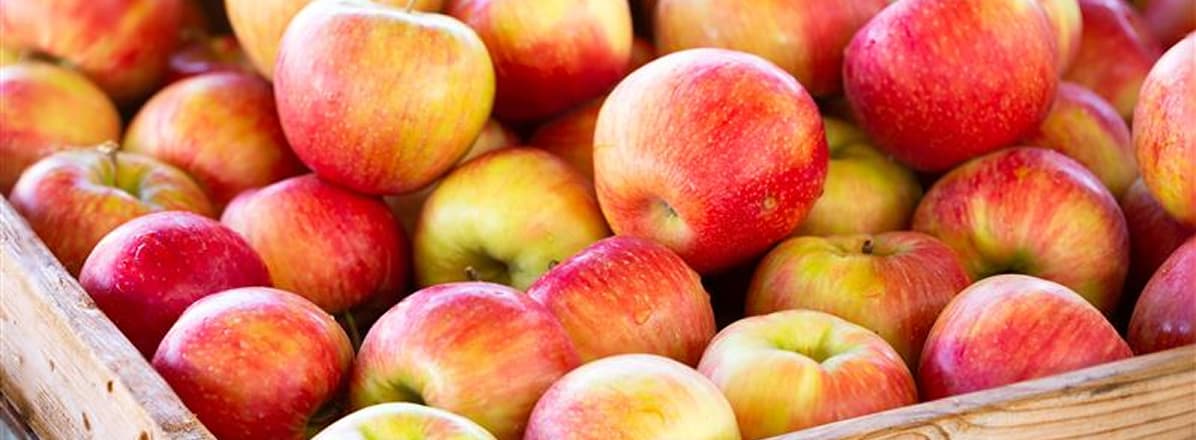
Varieties of Apples
Sweet and crunchy. Green. Yellow. Deep red. Ideal for baking. Perfect when eaten in-hand. The apple comes in so many varieties it can be hard to keep track. Here’s a guide to the types of apples you commonly see and what you can expect from them in the kitchen, your lunch bag and beyond.
McIntosh
Mild, juicy and low acid, this apple is one of the most popular varieties grown in Canada.
How to use: Eat fresh, use in an applesauce recipe, or make apple butter.
Gala
Sweet, firm and crisp, this might be the ultimate all-purpose apple.
How to use: This eating apple is great as a snack, but it also bakes well in pies and roast stuffings, like this cranberry-apple version, and lends sweetness to salads.
Honeycrisp
Balanced and sweet with a serious crunch, this is an apple to sink your teeth into. With its thin skin, the Honeycrisp needs a little love when storing to avoid punctures.
How to use: Enjoy fresh.
Spartan
Originating in British Columbia, this hybrid apple is sweet and crunchy with white flesh.
How to use: Try it sautéed in butter with maple syrup and cinnamon and serve warm over waffles.
Golden Delicious
Firm, juicy and mild, this apple is great for snacking.
How to use: Enjoy fresh. This fruit also retains its shape well for baking and is delicious in apple pie or this terrific gluten-free almond apple crisp.Red Delicious
This apple is crisp and juicy with a mildly grainy flesh and bright red skin.
How to use: Not recommended for cooking. Eat fresh or slice for use in salads, like this Creamy Kale, Romaine & Apple Salad with Spiced Nuts.
Ambrosia
This sweet, low-acid apple is excellent for snacking.
How to use: Enjoy fresh.
Granny Smith
Firm, juicy and acidic, this popular apple is perfect for those who love tart, sour flavours.
How to use: Eat fresh or use in baking. The apple holds its shape well; mix with sweet, soft-textured apples to balance flavour and texture in apple pie.Cortland
Mild, sweet and crisp, this is another all-purpose apple, especially suited to those who enjoy low-acidity fruit.
How to use: Enjoy fresh, on fruit platters, or baked into these caramel-apple phyllo parcels.
Fuji
This large red and pink-speckled apple is crisp, juicy and quite sweet, making it ideal for snacking.
How to use: Enjoy one fresh in-hand, julienned into a coleslaw or salad, or as the base of these crunchy peanut brittle snack pops.
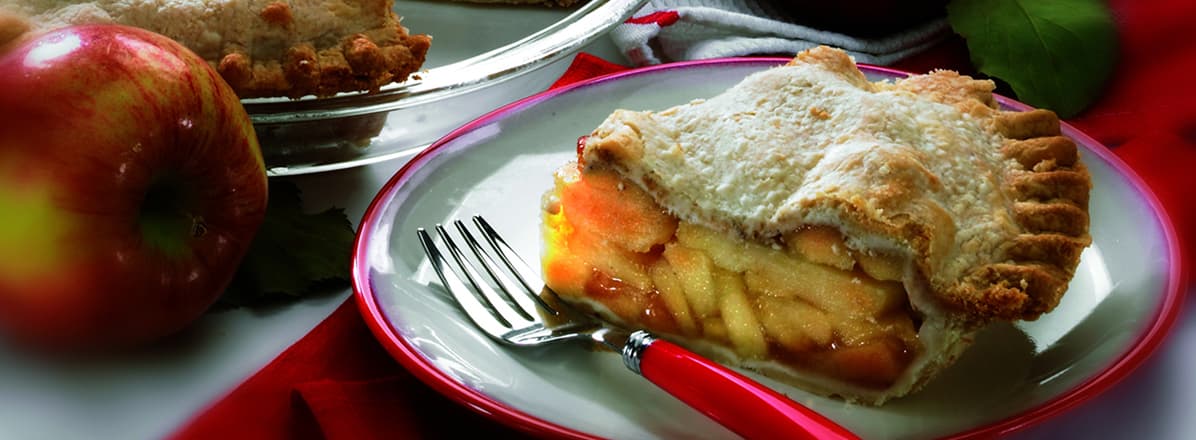
Baking Apples
Firm apples are generally the best choice for baking apples in pies, crisps, and tarts because they hold their shape without becoming mushy. Granny Smiths bring a tart punch that pairs beautifully with sugar and spices, while Honeycrisp offers a juicy sweetness that enhances the overall flavour. Pink Lady apples strike a nice middle ground with a complex sweet-tart profile. Another good option is Cortland, which bakes down to a tender but not overly soft texture. Consider mixing a couple of varieties in the same recipe to create a more complex flavour.