



Soy Sauce Guide
Soy Sauce, Explained
Do you know how old soy sauce is? Spoiler alert: it’s OLD. Japanese soy sauce is at least eight hundred years old. In China, while the exact origin of soy sauce is unclear, it’s first mentioned around the year 1200 and became a widely accessible, popular ingredient by the 1600s.
So, the next time you look at that dark brown bottle in the fridge (yes, it should be stored in the fridge, but more on that later) know that you have hundreds of years of flavour inspiration at your fingertips.
History lesson aside, you’ve probably used soy sauce plenty of times already (we see you, grilling marinades and stir fries). But are you using soy sauce to its full potential? Are you storing it correctly? Are you using the best kind for what you’re cooking? Did you know there are great soy sauce substitutes and gluten-free soy sauces available? Let’s get into it.
Origins of Soy Sauce
We’ll keep it brief, but here are a few details worth filing away for your next Trivia night.
What is soy sauce made of?
Soybeans, wheat, salt and water. And mold. Yes, mold aids in the fermentation and flavour development that makes soy sauce, well, soy sauce. Many standard supermarket brands will sit for 6 months before bottling and distribution, but more high-end varieties sit up to several years before the liquid is strained and pasteurized for bottling.

How many types of soy sauce are there?
Lots! Most notably from China (Jiangyou), Korea (Ganjang) Japan (Shoyu) and Indonesia (Kecap Manis). Commonly available options are dark soy sauces and low-sodium soy sauces.
Types of Soy Sauce
- Jiangyou. Chinese soy sauces are made in many different types, but what we’re likely to see often in North America are light (cooking and seasoning) and dark versions (for cooking, adding colour and texture).
- Ganjang. Korean soy sauces offer similar variety, but tend to hold a slightly different flavour profile, described as stronger and saltier - making it ideal for seasoning or soups.
- Shoyu. A broad term for Japanese soy sauce. Combines both soybeans and wheat to produce a sweeter flavour profile. Brewed in many variations, including light, dark and white soy sauce.
- Kecap Manis. A staple of Indonesian cooking, this sweet soy sauce is thick and molasses-like, sweetened with palm sugar and laced with spices.
What Can I Substitute Soy Sauce With? Soy Sauce Alternatives
- Tamari. Typically made solely from soybeans (always check labels closely about gluten free status) it's very similar to soy sauce in flavour, although some might call it richer, as a product of miso-making.
- Coconut Aminos. Made from coconut sap, it’s a marginally sweeter, soy-free version that can be used in similar applications across seasoning and cooking.
Does Soy Sauce Expire?
Yes. But the high salt content means it stays stable for a long time. However, like many stable ingredients, peak flavour still tends to dip over time, so during the first six months to a year it’s likely to be at its best. Unopened, it will keep in a cool, dark pantry for up to a year.
Should I keep soy sauce in the fridge?
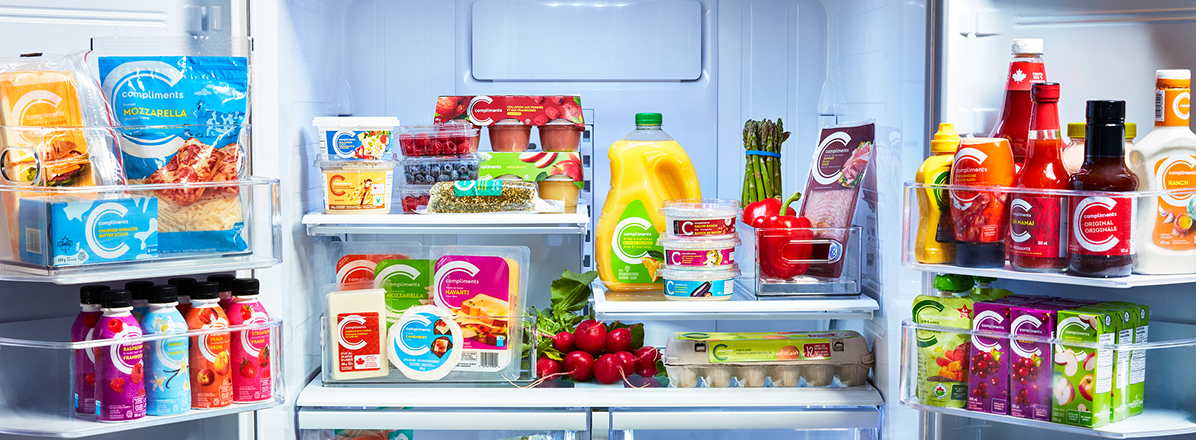
Did you open it? Yes? Put it in the fridge. It slows oxidation, maintaining flavour for longer. It’s still sealed? Okay, a cool, dark cupboard is just fine until you’re ready to crack the seal.
How do I use soy sauce?
Soy sauce is a versatile ingredient that can also act as a condiment. Try it on steamed rice or vegetables, with wasabi as a dip for sushi or sashimi, and more.
Soy sauce also pairs well with ginger, garlic, rice vinegar, chilies and sesame oil. Making it a marinade must-have for many cuisines. It’s a key ingredient in Japanese teriyaki and Korean bulgogi sauces. It’s also an essential addition to stir-fries and other foods that are cooked quickly in a wok, such as fried rice or these Beef Barbecue Short Ribs.