



A Short Guide to Tropical Fruit
The produce department is a meeting point for a world of fresh flavour. Some of our favourite tropical treats – from mangoes to pineapples, papaya and more – bring more than sunshine to the plate and palate. Let’s celebrate them!
1. Mango
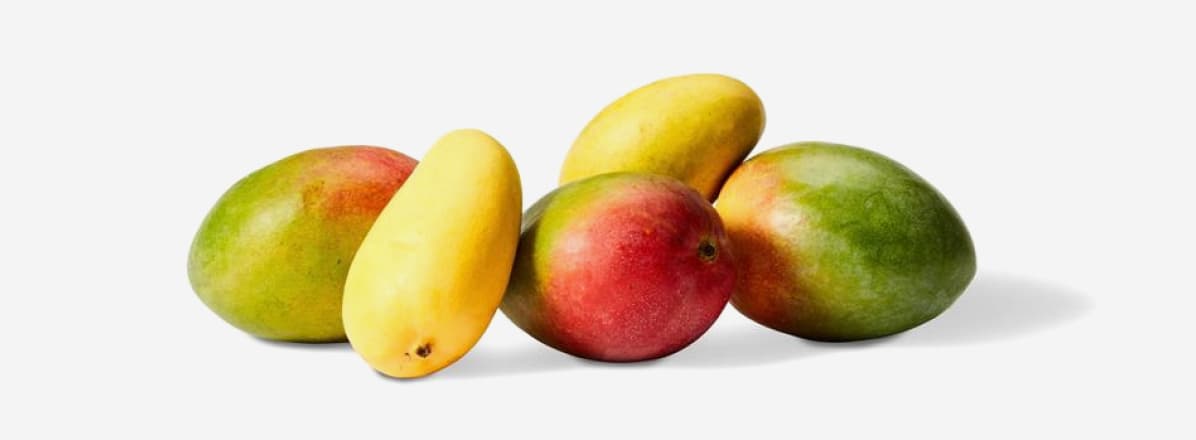
Trivia fact: There are over 1000 types of mango around the world! But the mangoes you’re likely to be the most familiar with number in the single digits. Let’s get to know them better: Large red-green or red-yellow mangoes (Tommy Atkins or Haden mangoes), are sweet-tart and firm with fibre throughout. Smaller, S-shaped, bright yellow Ataulfo mangoes, also known as Honey mangoes, are sweet and very smooth – with almost no fibre to be seen in the bright yellow flesh. You’ll see them primarily between March and July, when they’re in peak season.
How to select ripe mango
Look for a light aroma, subtle give to the flesh and red to orange or yellow colour (depending on variety). Green mangos are typically unripe and will require more time (up to a few days) to continue ripening before they’re ready to eat.
How to store mango
Mangos can be stored at room temperature until ready to eat. Once cut, store in the fridge and consume within a few days.
2. Pineapple
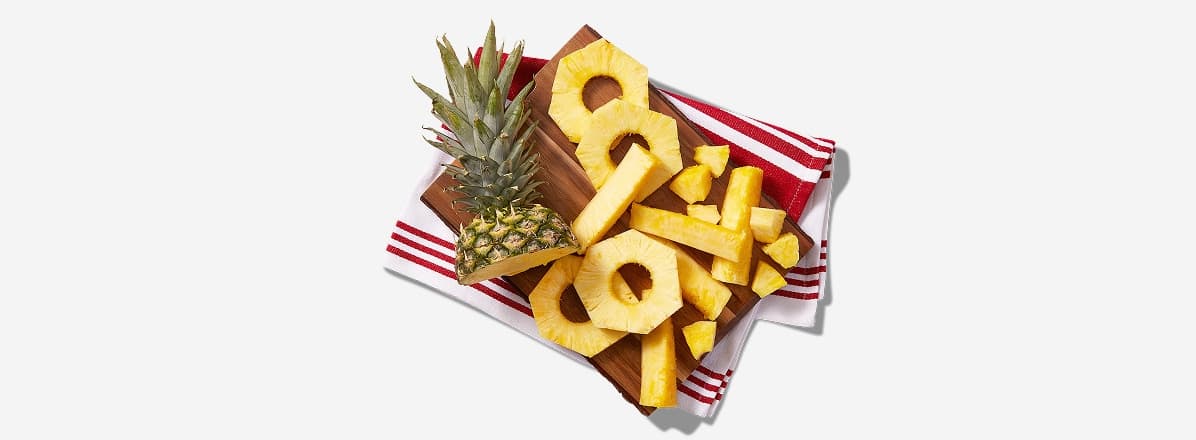
This hugely popular fruit is a labour of love and history. Though it’s been cultivated for thousands of years, the pineapple you buy in stores has been around for much less time (just over one hundred years. Fun fact: from the first planting, it takes 1.5 to 3 years to grow!
How to choose the best pineapple
Look for a firm, heavy fruit, green leaves (one should pull out easily), gentle aroma, and bright, flat “eyes”. These are all good indicators of ripeness.
How to store pineapple
Pineapples are best stored out of sunlight at room temperature. As they’re sold ripe, they’re best eaten within a few days, before the quality begins to lower. Store cut pineapple in the fridge.
3. Kiwi
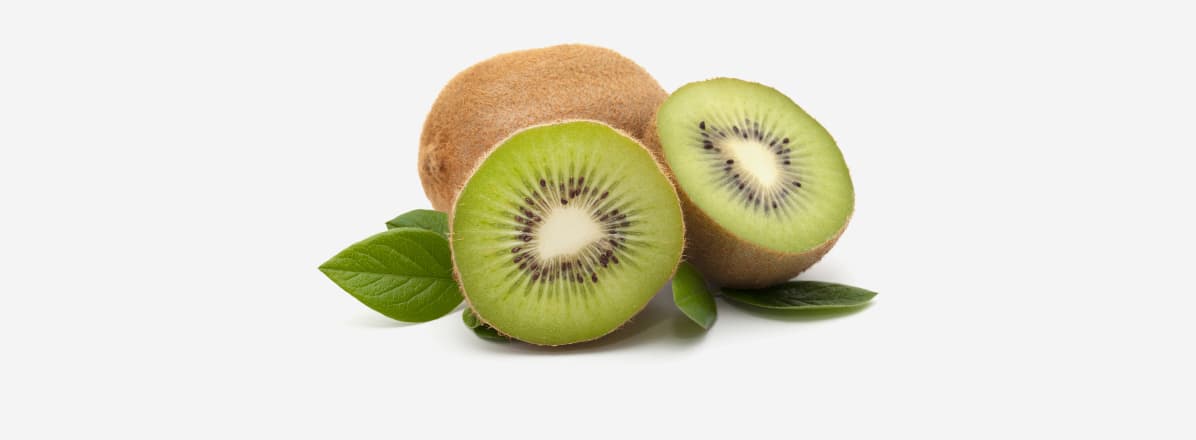
Did you know? Native to China, the plant has grown wild for hundreds of years, but the kiwi fruit has only been commercially produced since the early 1900s. (Golden kiwi are even newer, about 30 years old!)
How to choose kiwi
Like many fruits, aroma, plumpness, weight and a little give under pressure indicate ripeness. They do continue to ripen once picked, so you can buy underripe and let them sit on the counter as long as you have a few days to wait!
How to store kiwi
Store at room temperature until ripe, then move to the fridge to lengthen their shelf life until you use them.
4. Papaya
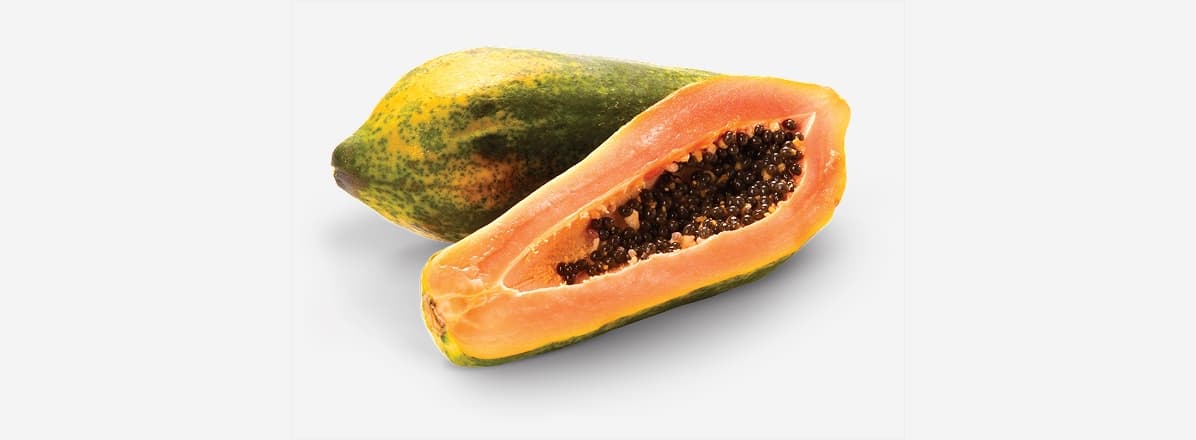
This large pear-shaped fruit is native to Southern Mexico and Central America. It has a pinky-orange flesh with large black (edible!) seeds. A ripe papaya is juicy, nicely scented and mildly sweet. It’s often used in salads, eaten fresh with a lime juice drizzle (plus chili or tajin if you like a little spice), blended into smoothies, served with cottage cheese for breakfast. Underripe papaya is often found in green papaya salad.
How to choose papaya
The papaya will continue to ripen once picked, so choose your fruit with that in mind. A ripe papaya will be heavy, with smooth, yellow and firm skin. It will also have a slight give under pressure.
How to store papaya
Papaya can be stored whole at room temperature until ripe. Once cut, keep in the refrigerator to preserve freshness.
5. Avocado
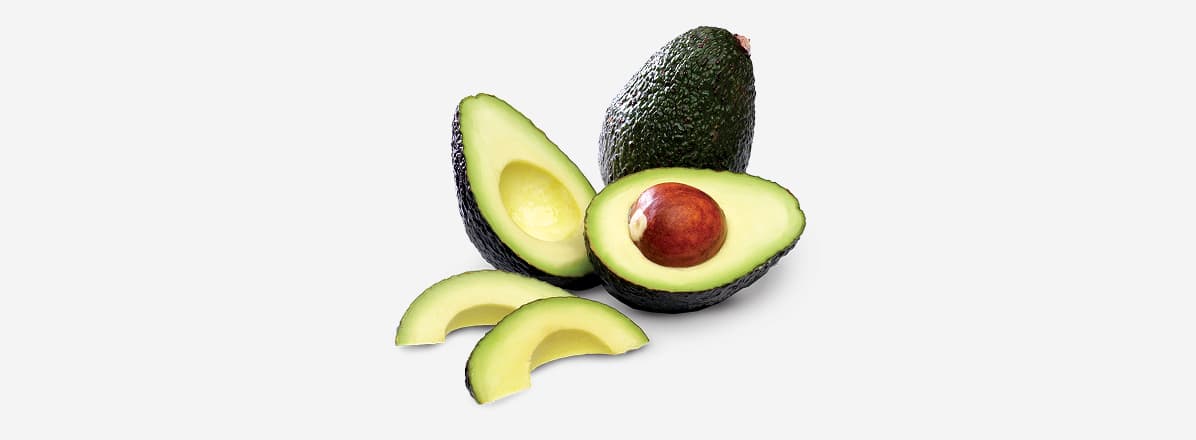
The avocado’s lesser known name? The Alligator Pear. This popular fruit might reach the farthest back into history of this whole list! (Possibly further than 10,000 years ago.) Technically a berry, they have a large pit in the centre, and a light green, creamy flesh inside.
How to choose avocado
Look for dark green to black coloured avocados that give under gentle pressure. These are ready to eat right away. If you want them to last a few days on the counter before eating (they continue to ripen off the tree), veer away from the deep black-green, and opt for a firmer avocado with forest green skin.
How to store avocado
Store avocados on the counter until ready to eat, but mind how ripe they were on purchase to avoid early spoilage. Refrigerate when ripe or as soon as they’re cut to preserve freshness.