



Everything you need to know about citrus
Full of bright colour and fresh flavour, citrus fruits are delicious any way you slice them.
Zingy citrus fruits can liven up any dish by adding bright colour, fragrance, and a sweet-sour flavour. From fresh drinks and zesty snacks to juicy salads and sweet-tart desserts—and more!—there’s a lot you can do in the kitchen with all the types of citrus fruits available.

Types of Citrus
Oranges
Sweeter than its cousins, oranges are the most widely cultivated citrus fruit, with over 400 varieties worldwide. The familiar stack of Naval Oranges in the produce section may be the most common, but you'll often see many more varieties during citrus season (November to April) such as the Valencia orange, clementine, mandarin, tangerine, blood orange and Cara Cara orange. Some are sweeter, more delicate or tropical, and even less acidic; when it comes to the orange family - there’s no shortage of choice!
- Cara Cara Orange: Similar in appearance to the Naval orange, Cara Cara oranges stand out for their ruby interior and sweeter, less acidic taste.
- Blood Orange: Smaller than the Naval, Blood Oranges often have a mottled orange and red rind, and dark red flesh. Super juicy, they’re often used in baking, drinks, and sauces for the rich colour, sweet-tart and floral flavours.
- Valencia Orange: Sweet-tart and extra juicy, it is a common juicing orange. You’ll find they’re also great for snacking, segmenting to add into salads and in any recipe calling for oranges.
Lemons
Vibrant yellow and highly acidic, lemons pack a ton of refreshing flavour and zing! Standard lemons can be found year-round, but during citrus season you may notice a different type out on shelves.
- Meyer Lemon: Thin-skinned and floral, this special lemon is juicy and less-tart than your standard lemon, and easy to juice. Often used in drinks and baking for its unique flavour. Try it in a lemon cake, tart or loaf!
- Tip: To replace 1 cup (250 mL) buttermilk, stir 1 tbsp (15 mL) lemon juice into 1 cup (250 mL) milk or cream; let stand until curdled, 5 to 10 minutes.
Limes
The smallest yet most acidic of citrus fruits, limes have a beautiful bright-green colour and are often found in Indian and Latin American cuisine. You'll often see varieties such as the common (Persian) lime and Key lime.
- Persian Lime: This is the most widely cultivated lime for commercial sale. Typically seedless, this lime is acidic with a tender yellow-green pulp.
- Key Lime: A smaller, seedier lime with a distinctive taste. Tart and more bitter than the Persian lime, it’s commonly used in sweet desserts, where the bitterness can be balanced out with sugar.
Grapefruit
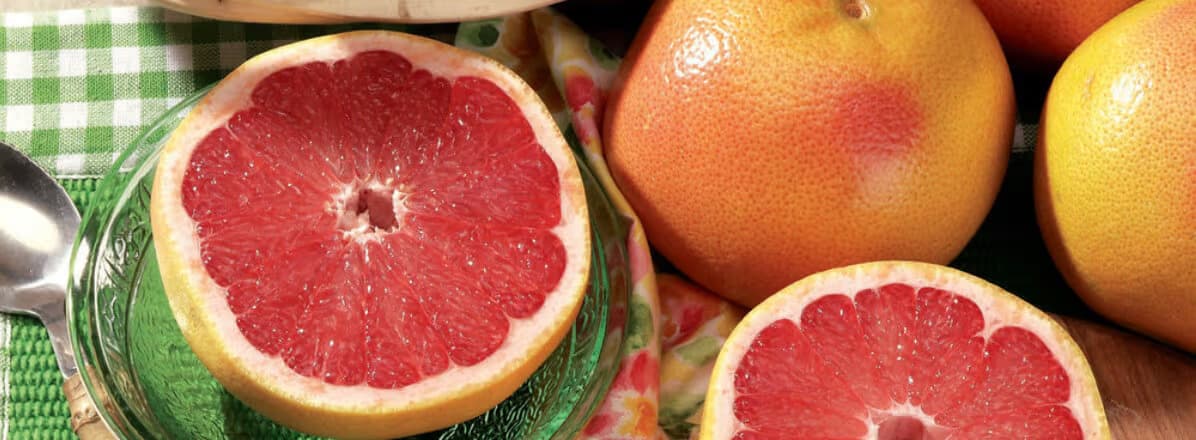
Ranging from light yellow-white to pink or red on the inside, this citrus fruit is larger than most, with a tart flavour that verges on bitter (which a sprinkling of sugar can help fix). You'll often see white, pink or red grapfruits on shelves.
- White Grapefruit: Tart, white interior that is fragrant and slightly bitter; this is considered the more traditional flavour of grapefruit.
- Pink Grapefruit: Sweet-tart, with milder flavour and light pink interior. These grapefruits can be used in many applications from drink to salads, desserts and beyond.
- Red Grapefruit: The sweetest grapefruit (but also tart!). Easy to peel and interchangeable with pink grapefruit, these may be the easiest variety to eat alone as a snack (or with a sprinkle of sugar overtop).

How to Pick Oranges, Lemons, and Other Citrus Fruits
Choosing a ripe, juicy lime, orange, lemon or grapefruit is simple when you know what to look for on shelves!
- Weight: Citrus that feels heavy for its size is an indication of juiciness. Lighter fruits may be dried out and past their prime.
- Smoothness: Smooth, unblemished skin that gives slightly. But don’t forget - some varieties are meant to be bumpy-skinned (like Sumo mandarins). But for your common citruses, this is a great rule of thumb to follow when making your picks from the shelves.
How to Store Citrus Fruits
Citrus fruits have a great shelf life that can be extended even further if you have room in the fridge. They’ll keep about a week at room temperature (if you like to set them out in a bowl for easy snacking) but to maintain optimal freshness and keep them from drying out (or getting mouldy) it’s best to drop them into a drawer in the fridge for use over the next several weeks.